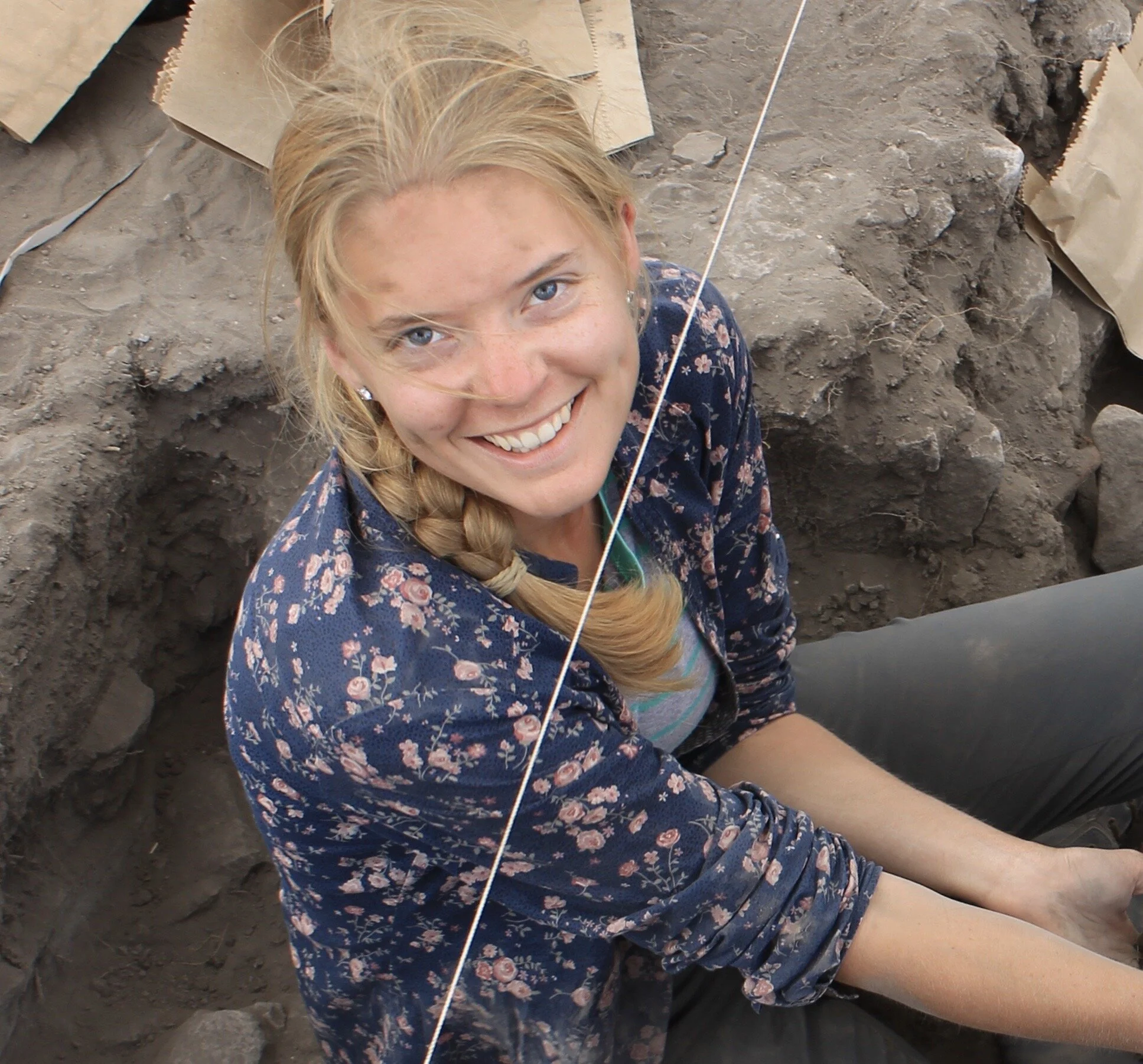
Emily J. Kate
Research Facilitator. Educator. Anthropologist.
I’ve built a career translating between researchers, technical teams, and institutional leadership. With a PhD in scientific anthropology and demography and several years as a data steward in the life sciences, I specialize in turning messy workflows, competing priorities, and unclear structures into practical action-oriented solutions.
In my current role, I guide research groups through open science, research data management, and organizational change. I act as a problem solver and pathfinder through institutional complexity: clarifying needs, mapping processes, and helping teams adopt new practices without burning out.
I am an alumnus of the College of Wooster in Ohio and earned my PhD in Anthropology and Demography from The Pennsylvania State University. I currently live in Vienna, Austria, with my scientist husband, Zachary and my perfect dog, Zoa.
Areas of Expertise
Data Stewardship
What is a data steward?
Within university settings, data stewards work with researchers to ensure that valuable scientific data is managed with care. They often have discipline-specific experiences that help them to advise faculty, staff scientists, and students. As a data steward, I am especially invested in helping other to effectively manage their data, meet the requirements of government and funding agency regulations, and ensure that scientific results are as open as possible and as closed as necessary.

Anthropology
Once an anthropologist, always an anthropologist.
As a researcher, I am interested in how behaviors like long-distance migration impact societies and how changes in individual behavior can be linked to shifts in the social and political landscapes. In the past, I have used bioarchaeological and isotopic methods to address these questions. More recently, I have become involved in questions surrounding the social, political, and demographic implications of variability in ancient economic systems.
Editing
Who doesn’t love a good book?
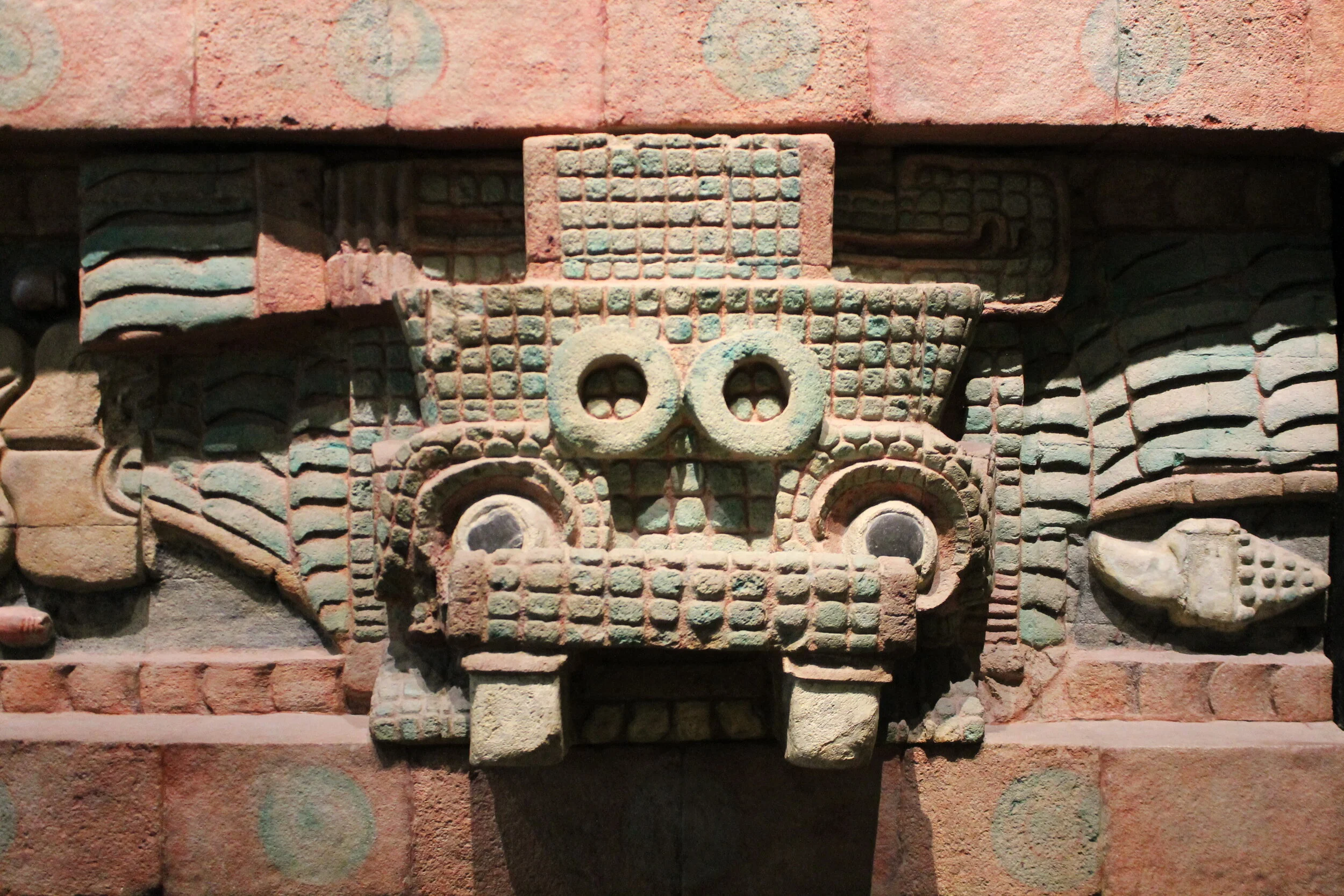
I am a coeditor for the Elements in Ancient and Premodern Economies series for Cambridge University Press. Ancient and Premodern Economies are committed to critical scholarship on the comparative economies of traditional societies. The Elements either focus on case studies of well-documented societies, providing information on domestic and institutional economies, or provide comparative analyses of topical issues related to economic function.
Teaching
“Perhaps the most terrible (or wonderful) thing that can happen to an imaginative youth, aside from the curse (or blessing) of imagination itself, is to be exposed without preparation to the life outside his or her own sphere- the sudden revelation that there is a there out there.” - Tom Robbins, Jitterbug Perfume

For Everyone
Science to the People!
Most university science is publicly funded. This is a wonderful gift and a tremendous responsibility. I am always happy to answer questions about anthropology, the scientific process, or what happens to publicly funded data. Social engagement in science ensures that we know where our species has been, so we can decide where we are headed next.
For Students
Be Bold. Be Brave. Be Kind.
No matter the discipline, taking an anthropological perspective can help us to be more understanding and patient with one another, especially in light of our differences. I love working with students, no matter their age or ambition. I am always excited to talk about anthropology and am part of a vibrant team cultivating data stewardship at the University of Vienna and throughout Europe.

For Researchers
Your metadata and you.
Do you find FAIR buzzwords (like metadata) a bit confusing? Are you unsure if you even create data? Does archiving your scientific findings mean anyone can use them for any purpose? If these questions are keeping you awake, I can help! The University of Vienna is invested in supporting confident data stewardship at home and abroad.